
Spanish Literature
Spanish literature is one of the fundamental pillars of Hispanic culture and has deeply influenced the development of world literature. From the earliest written expressions in the Middle Ages to the most modern literary movements, it has reflected the history, society, and emotions of the Spanish people. Throughout the centuries, it has produced some of the most important works and authors of Western culture, whose influence still resonates in contemporary literature.
Spanish Literature: A Journey Through the Centuries
The Origins and the Splendor of the Golden Age
Spanish literature
has its roots in the Middle Ages, with notable works such as the
“Cantigas de Santa María”, written under the patronage of Alfonso X the Wise.
These early texts reflect a strong religious and popular influence, which would shape the beginnings of the literary tradition in the Iberian Peninsula.
The true peak of Spanish literature was reached during the
Golden Age, encompassing the movements of the
Renaissance and the
Baroque. In the Renaissance, figures such as
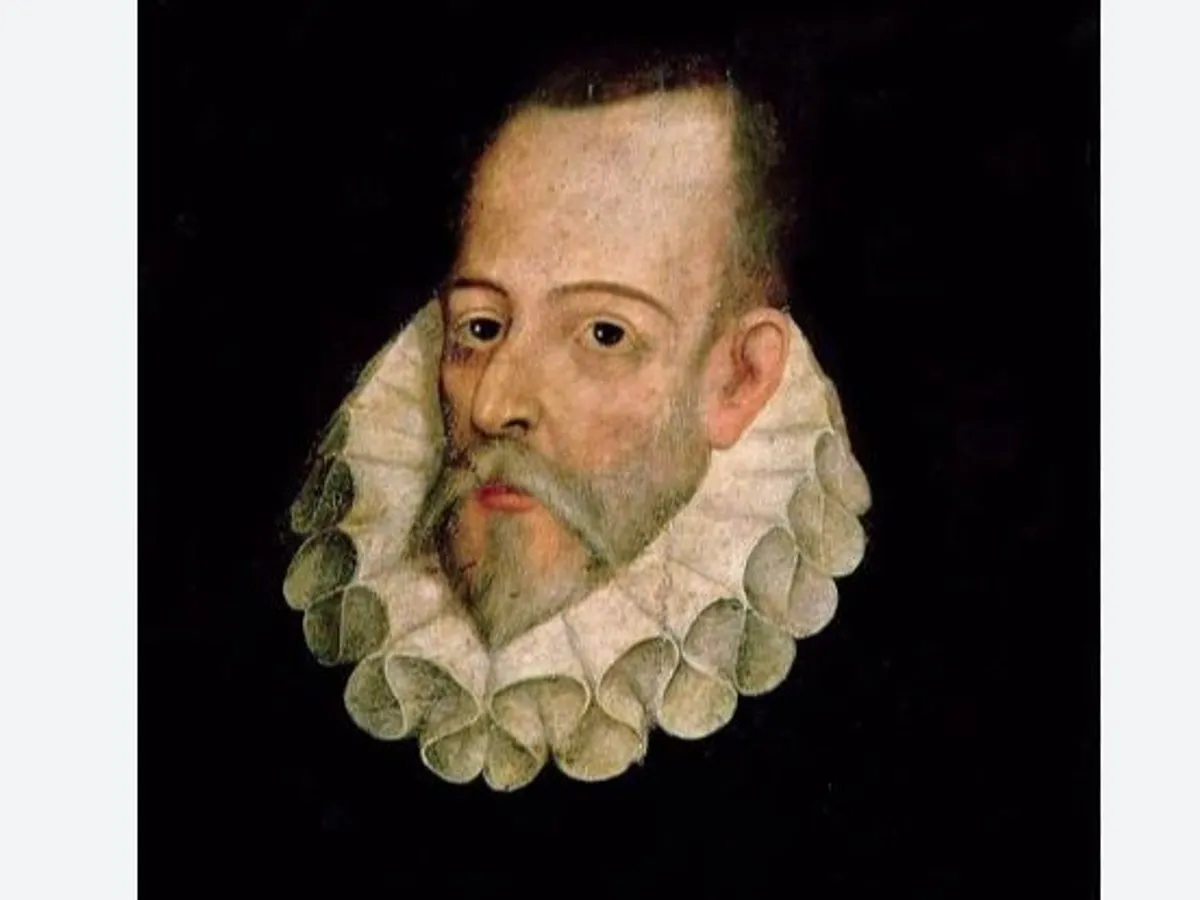
Miguel de Cervantes elevated the literary art with immortal works like
“Don Quixote de la Mancha”, a novel that not only represents a milestone in Spanish literature but also has had a profound impact on world literature.
The Baroque period, in turn, brought a shift toward greater complexity in language and style, with authors such as
Luis de Góngora and Francisco de Quevedo, who explored themes of deep philosophical and emotional significance.
This period of splendor left a legacy that continues to be studied and celebrated today.

From Romantic Reflection to the Avant-Garde of the 20th Century
VIDEOS ABOUT SPANISH LITERATURE
Enjoy a curated selection of videos that take you through the lives and works of the great authors of Spanish literature.
From medieval writers and the splendor of the Golden Age to the poets of Romanticism and the Generation of ’27,
these videos offer a detailed and exciting insight into how each author has helped shape Spain’s literary landscape.
Discover their journeys, challenges, and legacies through enriching and educational visual content.
The videos on the History of Spain website have been produced by the Alguaciles Foundation, a non-profit organization.