

Art and Architecture in Spain
Spain’s history has witnessed a vast artistic and architectural legacy that has left an indelible mark on the global cultural landscape. From the geometric forms of Romanesque art to the vibrant and expressive colors of great painters like Velázquez and Picasso, the country’s visual richness has transformed art throughout the centuries.
The Influence of Spanish Art and Architecture Through the Centuries
Art in Spain
Art in Spain has been a global cultural reference, evolving over the centuries from the earliest expressions on the peninsula to contemporary avant-garde movements. Throughout its history, Spanish art has been shaped by the influences of various civilizations, giving rise to artistic movements that marked a turning point in the history of global art.
Rooted in medieval Europe, Spanish Romanesque art stands out for its sobriety and monumentality. Churches and cathedrals in this style feature thick stone walls and small windows, evoking a solemn and spiritual atmosphere. Romanesque frescoes and sculptures also adorn many of these temples, depicting religious themes with stylized figures and rigid proportions.
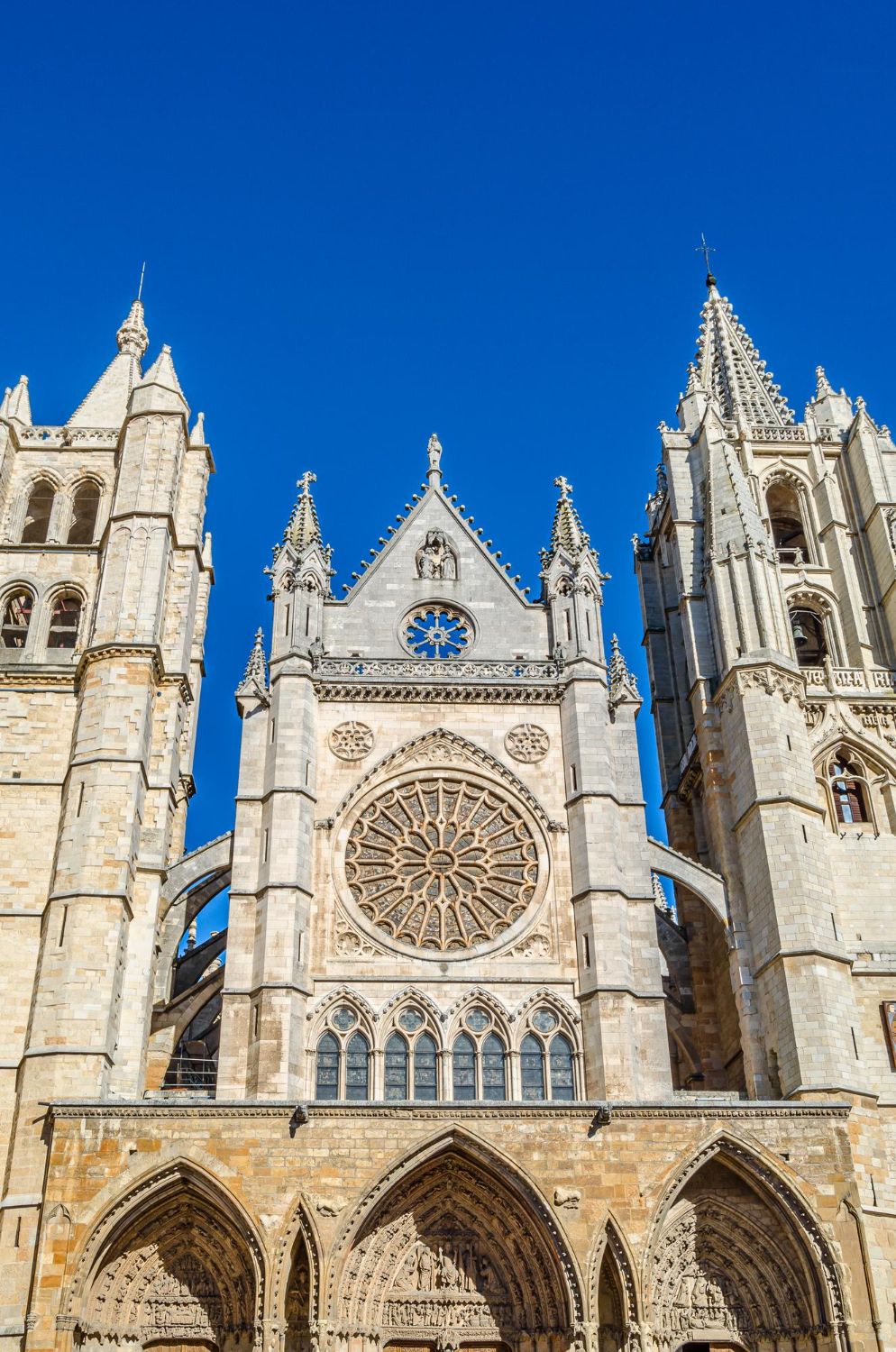
In this period, light and height become the protagonists of artistic works. Colorful stained glass windows and ornate rose windows flood temples with light, while sculptural figures gain dynamism and detail. Notable examples of this art can be found in cathedral sculptures such as those in the Cathedral of León, where religious images acquired an unprecedented realism for the time.
The artistic Renaissance in Spain was marked by a return to classical ideals of symmetry, harmony, and perfect proportions. Artists like El Greco and Velázquez, each with their unique styles, left an immortal legacy of portraits and historical scenes full of life and emotion.
Spanish Baroque:
Baroque art developed in the 17th century, characterized by its search for drama, movement, and exuberance. Baroque sculpture and painting, represented by artists such as Murillo and Zurbarán, are known for their strong emotional content and the use of chiaroscuro to intensify religious sentiment.
Avant-garde and Modernism:
The 20th century was a revolutionary era for Spanish art, with iconic figures like Pablo Picasso, Salvador Dalí, and Joan Miró, who broke away from established traditions. Picasso, with his Cubism, redefined how space was perceived in painting, while Dalí explored the subconscious through Surrealism. Both brought Spanish art to the international stage, earning recognition as geniuses of the 20th century.

Architecture in Spain
Videos on Art and Architecture in Spain
Dive into the most fascinating aspects of art and architecture in Spain through our curated selection of videos. These visual resources will give you in-depth insight into historical influences, artistic techniques, and the great masters who have left an indelible mark on Spanish art. Explore the majesty of Gothic art, the revolution of Baroque art, and discover the unique contributions of painters such as Sorolla and Velázquez.


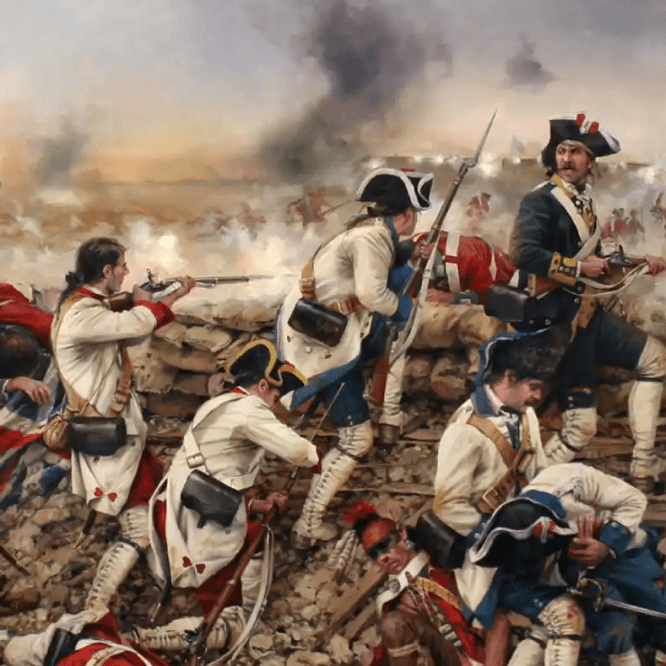

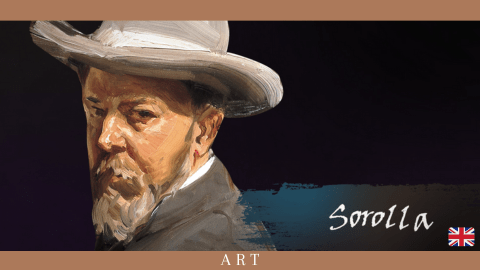
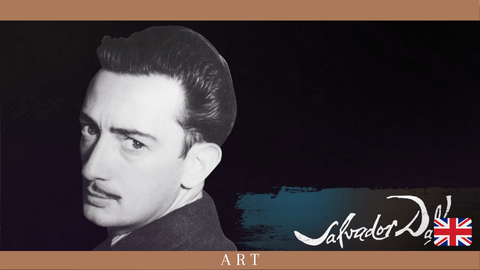

The videos on the History of Spain website have been produced by the Alguaciles Foundation, a non-profit organization.