

Cities of Spain
Spain is a country of contrasts, where each city tells its own story through its streets, buildings, and customs. From imposing historical monuments to the most traditional corners, Spanish cities offer a cultural richness and legacy that have shaped their unique identity. Below, we invite you to discover some of Spain’s most notable cities and must-see places you can’t miss.
Explore the history and charm of Spanish cities
The charm of historic cities in Spain
Spanish cities are a reflection of the country’s cultural richness and ancient history, each with a unique identity and character. Over the centuries, these cities have been shaped by various civilizations and cultures that have left an indelible mark on their architecture and traditions. From the ancient walls of medieval towns to vibrant urban centers, every corner of Spain tells a different story that enriches the national heritage.
Medieval Cities
Spain’s medieval cities, such as Ávila, Toledo, and Cáceres, stand out for their old quarters and cobbled streets that seem to stop time. In these cities, defensive and religious architecture plays a key role, with cathedrals, castles, and palaces evoking the eras of knights and kingdoms. The walls of Ávila, the Cathedral of Toledo, and the monumental ensemble of Cáceres are some of the most notable examples of this period.
Gothic Cities
The Gothic style flourished in cities such as León and Burgos, where height and light play an essential role in their monumental cathedrals. Stained-glass windows create a play of lights that floods these spaces with spirituality and grandeur. The Cathedrals of León and Burgos are symbols of this era, with architectural details that stand out for their beauty and complexity.
Renaissance Cities
During the Renaissance, the urban planning and architecture of cities such as Salamanca and Úbeda reflect a harmonious and symmetrical order. Renowned artists and architects captured the influence of humanism in their buildings, creating squares and monuments notable for their proportions and sculptural details. Salamanca is known for its Plaza Mayor and its University, icons of the Spanish Renaissance.
Baroque Cities
In the 17th century, the Baroque style added drama to cities like Seville and Valencia, with elaborate facades and decorative ornaments. This style is characterized by expressiveness and the use of contrasts, giving buildings a dynamic and emotional appearance. In Seville, the Giralda and the Royal Alcazar showcase the architectural richness and diversity of this period.
Modernist and Contemporary Cities
From the 20th century onward, Spain became a benchmark for modern architecture, especially in Barcelona, where Antoni Gaudí’s modernism left an unmistakable mark. The Sagrada Familia and Park Güell are iconic examples of his work. In the contemporary sphere, cities like Bilbao have embraced urban renewal, as demonstrated by the Guggenheim Museum, which revitalized the city’s image.

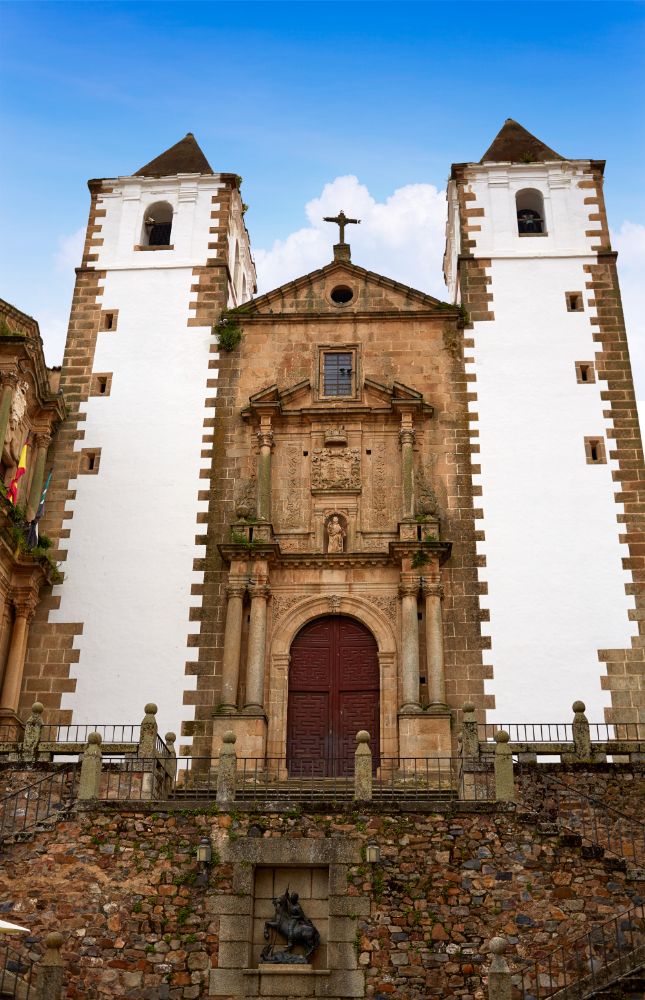
World Heritage Cities in Spain
Videos about the history of Spanish cities
A CORUÑA: PLACES TO VISIT
CACERES: PLACES TO VISIT

AVILA: PLACES TO VISIT

GRANADA: PLACES TO VISIT

LEON: PLACES TO VISIT

MAJORCA: PLACES TO VISIT

MALAGA: PLACES TO VISIT

PALENCIA: PLACES TO VISIT

SALAMANCA: PLACES TO VISIT

SANTANDER: PLACES TO VISIT

SORIA: PLACES TO VISIT

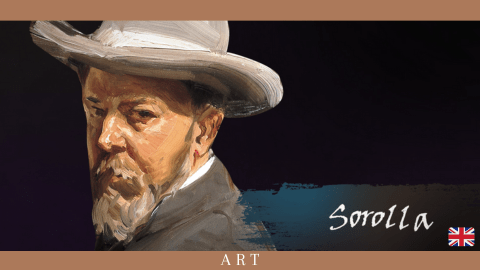
SOROLLA: PAINTER OF LIGHT
Toledo Spain: places to visit in Toledo

VISIT CADIZ
VISIT CORDOBA
VISIT GIJON
VISIT GUADALAJARA
VISIT JEREZ
VISIT LISBOA
VISIT MADRID
VISIT PAMPLONA
VISIT SEGOVIA
VISIT SEVILLA
VISIT VALENCIA
VISIT ZARAGOZA
ZAMORA: PLACES TO VISIT

The videos on the History of Spain website have been produced by the Alguaciles Foundation, a non-profit organization.